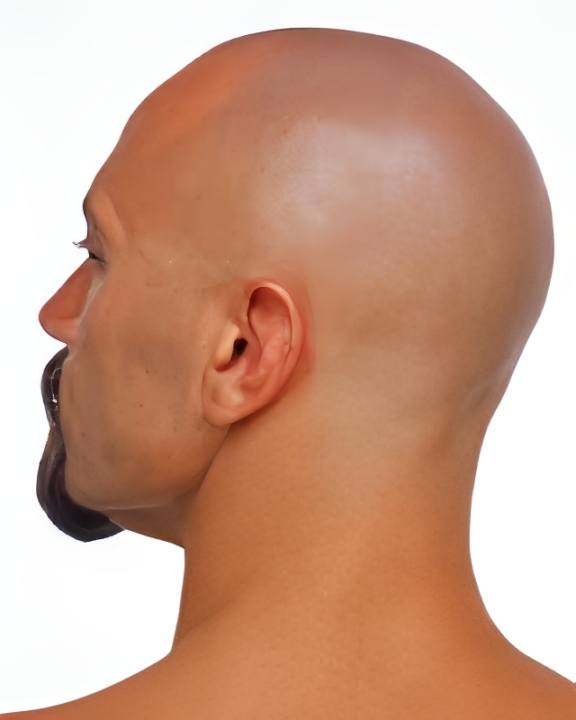
Prominent or misshapen ears can make some people feel self-conscious about their appearance. Ear pinning, also known as otoplasty, is a surgical procedure that repositions or reshapes the ears to improve their balance with the face.
At Cosmetique Cosmetic Surgery Center in Miami, board-certified plastic surgeon Dr. Robert H. Hunsaker performs otoplasty with careful attention to each patient’s goals. With decades of experience, he helps patients achieve natural-looking improvements that can restore confidence and comfort.
Conditions an Otoplasty Can Fix
Otoplasty surgery typically serves two functions: setting prominent ears back closer to the head and reducing the size of large ears. Additionally, patients who are missing ears from injury or other causes can have new ears constructed.
Regardless of the reason for surgery, an otoplasty dramatically improves the appearance of the ears. Ear surgery may be helpful for the following conditions:
-
Cupped ear or a small ear
-
Earlobes with large creases and wrinkles
-
Large or protruding ears
-
Stretched or torn earlobes
-
Lop ear where the top of the ear folds downward or inward
-
Shell ear where there is no outer curve in the cartilage
Candidates for Ear Surgery
A good candidate for otoplasty at our Miami, FL, office is anyone in good health who feels self-conscious about their ears and wants to improve their appearance. During your consultation, Dr. Hunsaker will discuss your goals to help you achieve the ideal yet realistic results you desire.
How Is Otoplasty Performed?
An otoplasty generally lasts 1 ½ to 2 hours and is an outpatient procedure. The type of anesthesia typically depends on the patient’s age. Dr. Hunsaker recommends general anesthesia for very young patients, while older children can choose a local anesthesia or a sedative.
Dr. Hunsaker will first make a small incision behind the ear, in the natural crease where the ear meets the head. Then, he sculpts the cartilage and bends it into its new position to achieve the desired appearance. In some types of otoplasty, Dr. Hunsaker can remove excess skin. However, in these cases, the cartilage is left intact and simply bent back on itself to create a smaller-looking ear.
When he’s finished, he wraps a bandage around the head to ensure the new positioning. To achieve a better balance, both ears may be operated on even if only one has a problem.
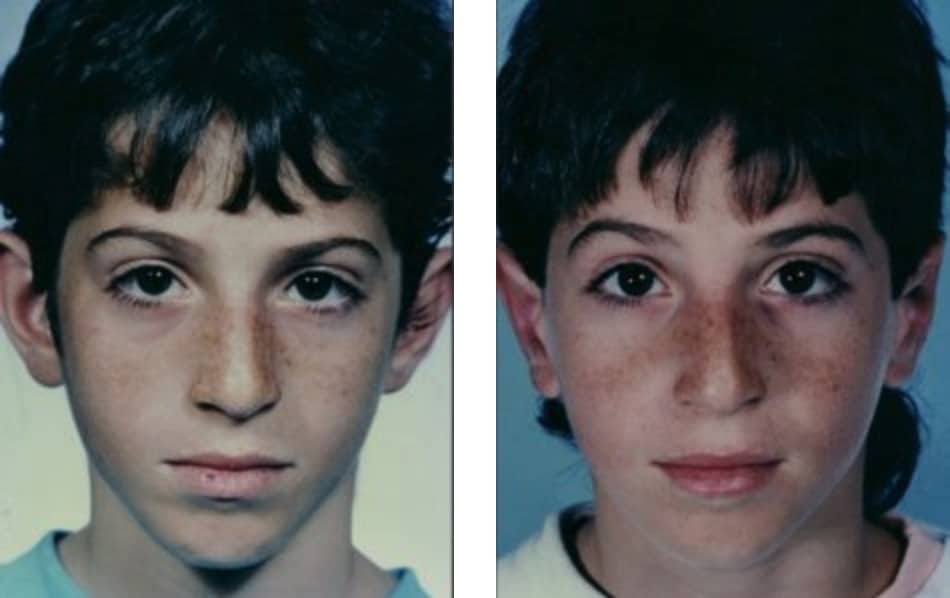
Ear Surgery Before And After Photos
Preparing for Otoplasty
For children, Dr. Hunsaker usually opts to use general anesthesia. This alleviates problems with nervousness. We will give you instructions on eating and so forth for the night before your child’s surgery.
As for adults, you’ll need to stop taking anti-inflammatory medications, blood-thinning medications, and most supplements a week before your procedure. You’ll only be under local anesthesia with sedation, so you won’t need to fast.
Ear Pinning Surgery Results
When Dr. Hunsaker has finished this surgery, your ears will be fully bandaged, wrapped in special, heavily padded cotton bandages, referred to as “fluff bandages.” After a few days, these will be replaced with surgical dressings that need to be worn for the remainder of the first week. When these are removed, you’ll be able to see the results. Whether that means the ears are closer to the head or Dr. Hunsaker reshaped or repaired them, your results will be fully visible at that point. There isn’t much swelling involved with these procedures.
Recovery After Ear Surgery
Patients of all ages usually feel back to normal after a few hours, although the ears may ache or throb for a few days. Prescription medication is available to help alleviate any discomfort.
The stitches will be removed within one week. Otoplasty patients should avoid sleeping on their side for the first two weeks after surgery.
About a week after otoplasty, children may return to school, and adults often return to work and resume normal daily activities. After the ears have healed completely, there will usually be a faint scar on the back of the ears. However, because of the strategic placement of the incisions in ear surgery, the scars should be virtually unnoticeable and will typically fade with time.
Patient Testimonial
Best surgeon, best staff and best results!!???? If I had to this all over again I would pick Dr Hunsaker’s private office. Their the best! Everything went so smoothly with no complications what’s so ever. Maria was always there for me. I knew if I had a question it would be answered within mins and sometimes even seconds!?
Why Choose Cosmetique Cosmetic Surgery Center for Otoplasty in Miami, FL?
Choosing Cosmetique Cosmetic Surgery Center for otoplasty in Miami, FL, means entrusting your care to a highly experienced plastic surgeon.
Dr. Robert H. Hunsaker is board-certified by the American Board of Plastic Surgery and has more than 25 years of experience performing cosmetic procedures of the face and body. He is known for his sound surgical judgment, refined technical skill, and the personal attention he gives each patient throughout the process. Dr. Hunsaker trained at respected institutions, including the University of North Carolina and the University of Miami School of Medicine, where he served as Chief Resident. His dedication to aesthetic surgery allows him to deliver natural-looking results in an accredited surgical setting.
FAQs
The changes made by Dr. Hunsaker are permanent. After the ears are fully grown, which typically occurs around age 4, any surgery will result in permanent changes to their appearance. In this case, Dr. Hunsaker will bring the ears closer to the head, making them far less noticeable. If he is reshaping the ears or repairing a torn earlobe, these changes are also permanent.
You can shower on the second day after your surgery at Cosmetique Cosmetic Surgery Center. You’ll need to avoid rubbing the back of the ears when showering, as this may disrupt the stitches and damage your results. Since the ears will be somewhat sensitive at this point, this is probably the last thing you’d want to do anyway. All you need to do is be smart and avoid your ears when showering for the first 10 days or so.
You can put your eyeglasses back on after Dr. Hunsaker removes your dressing and stitches. This will occur from 7 to 10 days, depending on the individual.
Beyond eyeglasses, you need to avoid bending your ear or ears. For that reason, we may supply you with pads and a headband for sleeping after we remove the dressing. To minimize the chances of catching or bending your ear, you shouldn’t wear t-shirts or anything that you need to pull over your head.
As with all surgery, there are complications associated with otoplasty. Complications are rare, usually minor, and can typically be minimized by choosing a qualified, experienced surgeon like Dr. Hunsaker and carefully following his aftercare instructions. Patients should not expect their ears to match exactly. This is not a complication, as natural ears are not identical. Complications can include:
-
Blood clots can form but eventually dissolve naturally, or can be treated with a needle
-
Cartilage infection can occur and form scar tissue
-
Scar or keloid formation
For true ear pinning surgery, there isn’t a visible scar. This is because Dr. Hunsaker can make the necessary incision behind the ear. For earlobe repair procedures, there will usually be a fine line where the two sides were brought together. These fade very quickly.
Your insurance may cover otoplasty if the surgery is to correct a congenital problem, such as a misshapen ear or asymmetry. Simply pinning the ears, however, is often not covered. This varies by the case and the insurance company. We will work with your insurance company to earn the highest level of coverage possible.
Children can usually undergo otoplasty once their ears have reached most of their adult size, which typically occurs around age 5 or 6. At this stage, the ear cartilage is sufficiently developed to allow safe reshaping, while remaining flexible enough to respond well to surgical correction.
Performing otoplasty during childhood can also help prevent teasing or self-consciousness related to prominent or misshapen ears. However, the decision to proceed should be based on both physical readiness and the child’s willingness to participate in the process. During a consultation, Dr. Hunsaker will evaluate the child’s ear development and overall health to determine if the timing is appropriate.
A supportive headband is commonly recommended after otoplasty to help protect the ears and maintain their new position while healing.
After the initial bandages are removed, patients are typically advised to wear a soft headband during sleep for several weeks. This helps prevent the ears from bending forward or being accidentally pulled while resting. Some surgeons may also suggest wearing the headband during certain daytime activities in the early stages of recovery.
The exact duration varies with healing progress, but many patients wear it at night for 2 to 4 weeks to support stable results.
Yes, otoplasty can sometimes be performed alongside other cosmetic procedures, depending on the patient’s goals and overall health. Adults occasionally combine ear surgery with eyelid surgery, facial rejuvenation procedures, or non-surgical treatments for other areas of concern.
Combining procedures may reduce overall recovery time since healing occurs simultaneously. However, the suitability of performing multiple procedures in a single surgical session depends on factors such as procedure duration, anesthesia requirements, and patient safety.
Some temporary numbness around the ears is common after otoplasty. This occurs because small sensory nerves in the area can be affected during surgery.
Most patients notice reduced sensation along the outer ear or behind the ear in the early stages of healing. In many cases, feeling gradually returns as the nerves recover over the following weeks or months.
Headphones and earbuds can place pressure on the ears, so patients are generally advised to avoid them during the early stages of healing after otoplasty. Direct pressure or friction may irritate the surgical area or interfere with the ears’ ability to maintain their new position.
Most patients can gradually return to wearing earbuds or lightweight headphones once swelling has subsided and the ears are no longer sensitive. Dr. Hunsaker will provide specific guidance based on how your ears are healing.
Schedule Your Otoplasty Consultation Today!
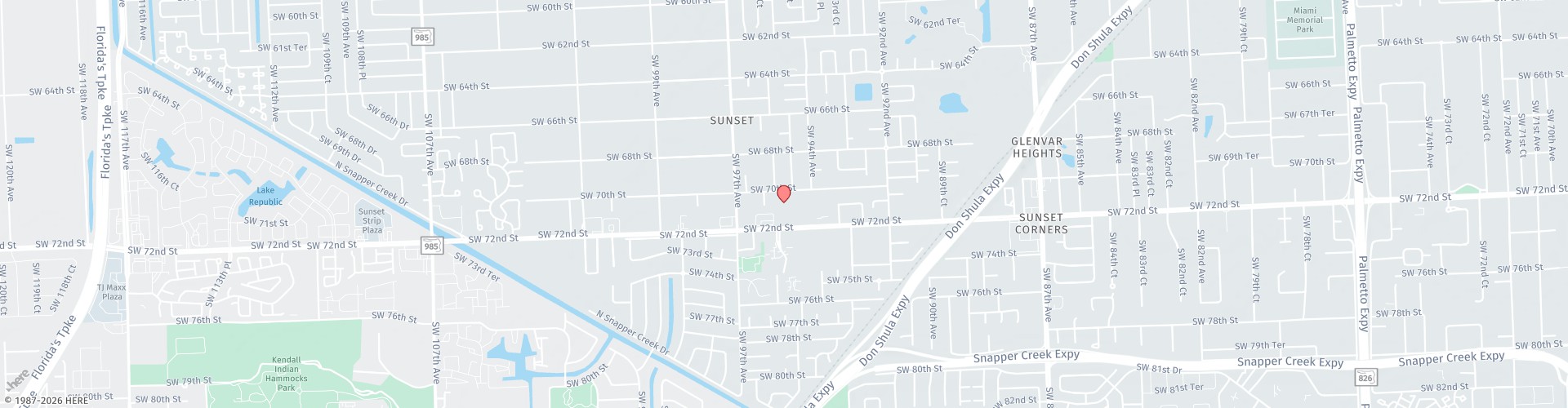
To learn more about the Ear Pinning procedure or to make an appointment, you can contact us at 305.279.4700. Cosmetique Cosmetic Surgery Center serves patients in Miami, FL, and the surrounding areas.